blog2

Can High Emotional Intelligence Make Your Own Life Better?

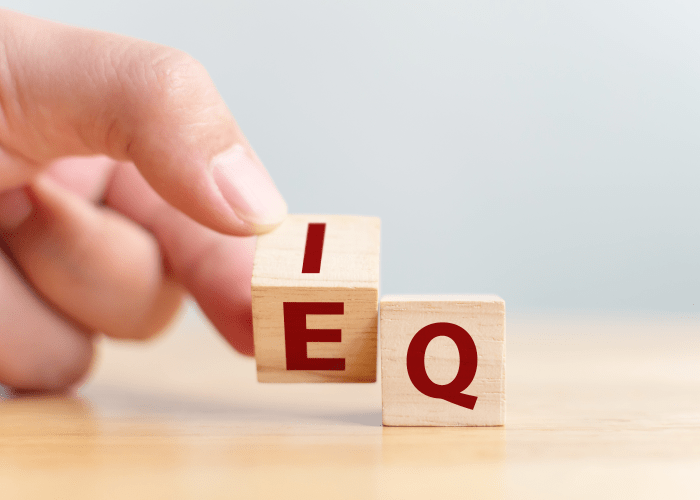
Emotional intelligence, also referred to as EI or EQ (Emotional Quotient), was first mentioned in the second half of the 20th century and has been increasingly researched as a concept ever since. 

Suppose you’re not specialising in interpersonal communication or self-development strategies. In that case, you probably still consider emotional intelligence a trait that mainly benefits the people around you. 

Anyway, a person with high emotional intelligence is likely to experience some rather beneficial consequences of it. And today, we are telling you more about them!

First Things First: What is High Emotional Intelligence?

Looking for the shortest possible explanation to EI? Basically, that is the ability to understand and manage your own emotions, as well as the emotions of the people around you.

In a fundamental writing on the subject, psychologist Daniel Goleman identifies five elements that add up to each other to build a high level of emotional intelligence, and these are:

Self-awareness

Self-awareness, self-assessment, and self-confidence are among the most fundamental emotional intelligence traits in an individual. 

These are the mindfulness-based mechanisms through which you understand yourself, recognize the impact of your emotions on your behaviour, and maintain a positive feeling of self-worth. 

Self-regulation

Recognizing your emotions is one thing, but controlling them is a world of its own. Self-regulation is all about staying in control and not letting your emotional dynamics mess with your overall values and definitions of acceptable behaviour. 

This high emotional intelligence element might require working on your anger-management skills, adapting mechanisms, and willingness to take responsibility for your actions. It’s not just about deep breathing – it’s about allowing yourself to stay yourself, even in the most challenging situations. 

Motivation

It also goes by the name of self-discipline, or the ability to keep your focus, even when your emotions are calculating some pressure. Motivation has a lot to do with goal-setting, achievement celebration, and keeping your sense of purpose – both personally and professionally. 

Emotionally intelligent motivation has nothing to do with compulsive multitasking or designing the perfect burnout scenario. Instead, it has to do with keeping your integrity, even if emotional distractions get in your way. 

Empathy

Some people are natural empaths, while others learn on the way. This fundamental soft skill is all about genuinely trying to understand someone else’s viewpoint and walking a mile in their shoes before you act or react. 

Empathy involves a lot of active listening, emotion recognition, and compassion. This is especially important when you don’t share a background with the person in front of you – including cultural predispositions, religious views, or even a value system. 

Social Skills

Social skills and relationship management will play an important role in both your career development and your personal life story. So, the broader “social skills” term actually stands for:

  • Staying present and actively reading the air in the group of people around you;
  • Showing organisational awareness and the ability to motivate behaviours in people;
  • Building social networking and decision-making paths where everyone’s concerns are taken into consideration;
  • Adapting to a changing situation and helping others adapt stress-free as well;
  • Supporting others in their pursues, abilities, talents, and inspirations;
  • Resolving conflicts and disagreements in a collaborative and respectful way;
  • Helping people and groups feel safe, appreciated, and cooperative;
  • Building bonds between members of the group, yourself including.

The list can go on forever, but you already get the point – social skills are all about making communication a pleasure rather than a burden. 

And if all of the above sounds way too abstract for you – you can always take the professionally designed emotional intelligence test of Psychology Today to see where exactly you are standing on the scale. 
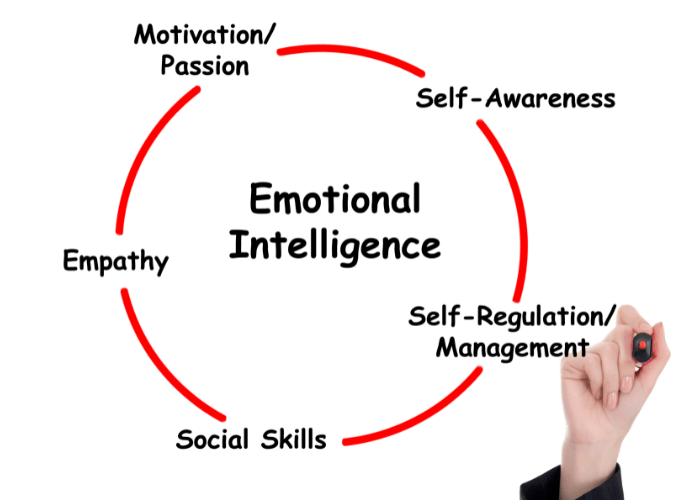
emotional intelligence elements

Benefits of High Emotional Intelligence

You can recognize a highly emotionally intelligent person by their ability to stay focused, present, and resilient in challenging situations. They seem to always find a way to demonstrate respect towards themselves and others, manage difficulties with dignity, and act as a reflector that shows everyone’s strengths and weaknesses in a constructive way. 

Yes – everyone loves being around these types of people, and everyone benefits from being this type of person. 

  • Showing high emotional intelligence in the workplace can easily make you a natural leader and opinion-maker in your professional community.
  • High emotional intelligence can improve your relationships with others, making you a preferred friend, relative, co-worker, partner, or significant other.
  • Being an emotionally intelligent parent will help you raise strong, confident, and respectful children with healthy boundaries.
  • High emotional intelligence is proven to enhance the overall physical and mental well-being of all genders, ages, and cultural backgrounds.
  • Research shows that people with high EQ will earn on average £22,000 more per year – so yes! – that self-improvement tactic is also profitable.
  • Emotional resilience and awareness will help you make smarter decisions and pursue your long-term goals without being trapped in short-term drama. 

At the end of the day, the EQ superpower will improve your performance in all areas of life and will help you act and feel like a valued member of society instead of a lone wolf that hardly keeps it together. 
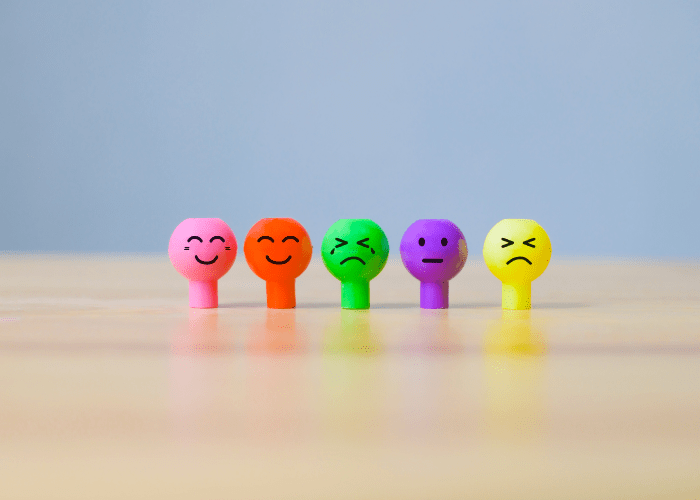
emotion recognition and emotional intelligence

Can You Improve Your Emotional Intelligence?

In contrast to conventional intelligence or IQ, emotional intelligence is something you can actively work on. Of course, different temperaments are not equally susceptible to radical changes. Still, a smart strategy and consistency can get you a long way. 

Some techniques for improving your emotional intelligence can be:

  • Practising emotion recognition with both friends and strangers;
  • Engaging in practices of mindfulness, meditation, and body scanning;
  • Working on your focus, concentration, and goal-setting;
  • Expanding your social bubble and staying open-minded towards diversity;
  • Practice active listening and focus on people’s statements rather on your replies;
  • Learn to give and receive constructive criticism without hard feelings;
  • Don’t avoid analysing your feelings and cross out escapism from your coping mechanism list.

Though easier said than done, these tactics will help you further improve your emotional response and enjoy all the benefits of controlling your feelings instead of letting them control you.

The good news? Your journey with RelaxifyApp will take you through all the steps described above with some fun and engaging games to play on the go. So – all you need to do is make the first step and walk the rest of them together with us!
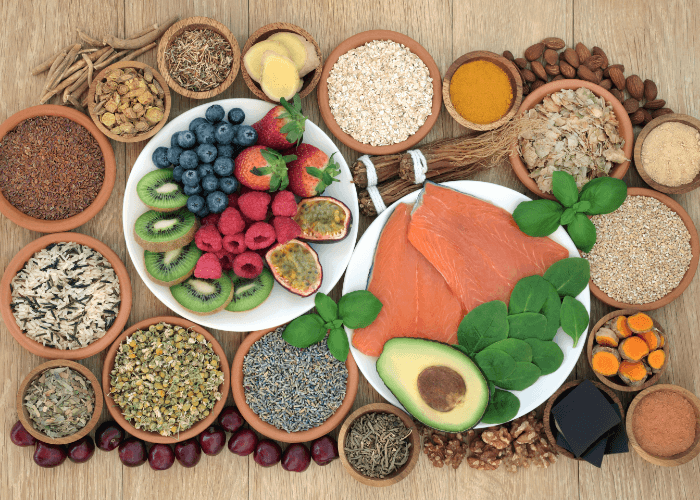
Battle Stress and Anxiety With These 5 Types of Foods

Can stress and anxiety be regulated by minding the products you put on your plate?

First thing first – there is no such thing as a magical pizza that you can eat and immediately achieve the ultimate level of psychological well-being. Of course, any regular pizza can give you a fleeting feeling of happiness, but that is usually not a solid long-term strategy. 

Anyway, there is an extended research base that investigates all the ways our diet affects our emotional and cognitive well-being, and – unsurprisingly – some foods prove more beneficial than others. 

Below, you will find the top five groups of foods that demonstrate a positive effect on the psychological state – as well as the ways they actually achieve that.

Magnesium-Rich Foods for Managing Stress and Anxiety

Magnesium is a well-known mineral that relieves muscle tension and promotes overall relaxation in the body. Moreover, it plays an important role in metabolizing cortisol – one of the main stress hormones, along with adrenaline and norepinephrine. 

Now that science has spoken, here are some of the magnesium-rich foods you can add to your diet in order to naturally battle stress and tension:

  • Pumpkin seeds;
  • Cashews and almonds;
  • Broccoli and spinach;
  • Bananas and papayas;
  • Dried figs;
  • Avocados, etc.

And – take this as a bonus – dark chocolate!

Probiotic Foods

In 2020, the University Health News published an article on the so-called “psychobiotics”. Put shortly, these are a type of probiotics that are shown to have a positive effect on patients that suffer psychological distress or psychiatric illness.

Psychobiotics improve the gut-brain connection, thus boosting the mood, relieving the episodes of anxiety, and even easing depression to a certain extent. If you want to enhance your gut microbial diversity and enjoy the side perks, you can boost your diet with:

  • Natural and unsweetened yogurt;
  • Fermented vegetables;
  • Probiotic drinks such as kefir and kombucha;
  • Soft cheeses and sourdough bread.

Of course, there are multiple probiotic products available as a food supplement. You can choose and take such a product after you meet up with your doctor and get their personalized recommendations. 

High-Fiber Foods

Dietary fiber improves your peristalsis, feeds the good bacteria in your intestines, and can also prove beneficial for your weight control plan. In addition, recent research suggests that a fiber-rich diet can be surprisingly good for brightening your mood and balancing your behavioral patterns.

More specifically – in research published by the National Center of Biotechnology Information, fructooligosaccharide and galactooligosaccharide actually improved anxiety and depression in participants that consumed around ≥ 5 g per day.

Some of the healthiest (and yummiest!) fiber-rich foods against stress and anxiety are:

  • Whole grains and beans;
  • Nuts and seeds;
  • Virtually all types of raw fruits and vegetables.

If you’re looking for a guilty fiber pleasure here, keep in mind that home-made popcorn now has a legitimate place in your well-being program!

Omega-3s

Modern nutritional sciences have already spread the word that not all fat is bad for your health. On the contrary – healthy fats are just as vital for your well-being as protein, fiber, vitamins, and minerals. 

Omega-3 fatty acid, for example, is proven to reduce inflammation, support the proper blood flow in the brain, and regulate neurodevelopment through serotonin. Long story short – this fatty acid is even officially used as a supplement in treating conditions like depression, generalized anxiety, and schizophrenia. 

You can get your daily dose of Omega-3 support from natural sources like:

  • Fish, caviar, and other seafood;
  • Seeds and nuts;
  • Cold-pressed plant oils;
  • Seaweed and algae;
  • Brussels sprouts
  • Kale, spinach, broccoli, and cauliflower.

Also, many products on the market come fortified with Omega-3, and this may include yogurt, juices, traditional and nut milk, etc. 

Herbal Teas and Spices for Stress and Anxiety

Finally, traditional herbal medicine has been used for balancing the mood and the nervous system for millennia now. There are multiple medicinal plants and local spices that your grandma has probably told you about, but – surprisingly or not – modern science actually confirms. 

The active ingredients in these plants have adaptogenic properties, stress-reducing effects, and an overall positive impact on brain function and mood-regulating hormones. Your natural artillery can include – but not limit itself to – the following:

  • Valerian root;
  • Passionflower;
  • Chamomile;
  • St. John’s wort;
  • Lemon balm;
  • Rhodiola;
  • Licorice;
  • Lavender;
  • Ashwagandha, etc.

Also, mood-balancing spices such as turmeric, cinnamon, and ginseng now come in the form of capsules and powders that you can easily add to meals, smoothies, and even juices. 

So, will your psychological state magically reach an all-time peaking level of serenity once you add these foods to your diet? Probably not. 

But will you start feeling a mood boost once you have these as a long-term part of your daily diet? Most probably yes.

Add regular physical activity, quality rest, and a supportive social environment, and you will have all the prerequisites of doing better than you are today. Just because being well always begins with eating well, and the rest is up to you and your intelligent self-care routine against stress and anxiety.
download relaxifyapp today

How to Recognize the Early Signs of Burnout: Best 10+ Tips

Managing workloads and balancing between professional and personal growth is often easier said than done. Moreover, recognizing the early signs of burnout is often harder than you might expect. More often than you might expect, really. 

A survey held throughout the UK in 2020 revealed that 44% of employees had had casual burnout symptoms, while 23% were experiencing habitual burnout. 

In case you’ve been wondering what is burnout exactly, here it comes:

The World Health Organization recently included burnout as a part of their International Classification of Diseases, defining it as “a chronic workplace stress that has not been successfully managed.” Moreover – they estimated that 1 in 4 adults would be affected by burnout at some point in their lives. 

What Are The Five Stages of Burnout?

According to the Veninga and Spradley’s Stage Model, further adapted by the Winona State University, burnout unveils in five stages:

  1. The Honeymoon Stage: Marked by high job satisfaction, engagement, enthusiasm, and creativity.
  2. The Balancing Stage: You now are certainly aware that some days are better than others when it comes to handling job stress.
  3. The Chronic Stress Stage: Characterized by early signs of burnout such as chronic fatigue, physical sickness, irritation, and despair.
  4. The Burnout Crisis Stage: Your physical symptoms intensify and multiply, you obsess over work difficulties, and you develop an “escapist mentality.”
  5. The Enmeshment: The indications of burnout are so rooted in your lifestyle that you are more likely to be identified with another significant physical or emotional problem rather than burnout. 

Needless to say – the earlier you identify and address your burnout symptoms, the easier it would be for you to regain balance successfully. On the other hand, ignoring these indications will put you in a state of habitual burnout. Then, your condition can further develop into anxiety, depression, and even chronic physical illness.

Stages of burnout

10+ Early Signs of Burnout 

Experts point out a list of red flags that can serve you as an early burnout checklist. Here is what they include:

Low Spirits

It begins with a cynical attitude towards your career and your workplace… But then it easily extends to different areas of your life – including socially, personally, and generally. Things that used to inspire you do not produce a positive impression anymore. Your work can become mechanical, and you may become emotionally distant from everyone around you.

Persistent Tiredness and Sleep Disturbances

When you feel so tired, but you can’t sleep…” something has been going in the wrong direction. This is a vicious cycle when you feel a constant lack of energy and vitality, and yet you aren’t able to get a good night of sleep. You find it hard to fall asleep, you wake up easily, and your dreams are not-so-relaxing. 

Anxiety and Mood Swings

If your cognitive and emotional compass is going mad these days, pay attention. Early signs of burnout include irritability, depressive symptoms, anxiousness, and frequent mood shifts that are hard to control. Of course, these symptoms can indicate different mental health difficulties – but if they get worse at your workplace or you simply classify them as work-related, burnout is a probable cause to look into.

Changes in Your Work Performance

Everyone has their ups and downs, but lengthier declines of performance come to reveal less concentration, less motivation, less focus, and less ability to realize one’s potential. If you can’t bring yourself to stick to your schedule or simply forget tasks all the time, you might want to design a plan for restoring your inner balance. 

And Others

Your general physical and mental well-being, combined with the type of job you’re having and the way you’re usually handling stress, can produce a variety of early signs of burnout such as:

  • Detachment and apathy;
  • Self-doubt episodes and self-image issues;
  • Headaches and migraines;
  • Nausea and brain fog;
  • Reduced sexual drive;
  • Repetitive stomach problems;
  • Sadness, gloominess, and negativity. 

The more of them you’re experiencing, the more likely a burnout is. In some cases, it may take months to pick up the pieces and see the whole picture – but once you do, you are strongly advised to react timely and try to revise your perspective. 

signs of bunout

How Long Does It Take to Recover From a Burnout?

Sometimes, taking a casual break and distracting yourself is simply not enough to address burnout. In fact, heavy burnouts can take months and even years to overcome, so you will need a long-term strategy. 

Setting a healthy work-life balance needs to be your top priority once you suspect burnout. It begins when you set boundaries and stop trying to be there for everyone, every minute of your day. 

Instead, plug off when your working hours are done and begin focusing on your healthy diet, physical activities, and social life satisfaction. Enjoy a nice hobby, spend more time in natural settings, and don’t hesitate to reach out for help if you need to. 

Well-being apps and games are a good way to begin your journey yourself. Meanwhile, share your experiences with friends and family, or reach out to support groups in or outside your professional circle.

If that’s not enough – seek a professional opinion on how to address your problem and re-evaluate your priorities. Because – yes! – there is nothing wrong with being your own top priority and putting your needs above the needs of your employers.  

Check 4 Dimensions of Your Well-Being For Free!

According to the World Health Organization, around 20% of children and adolescents worldwide have a reported mental health condition. At the same time, a total of 13% of the global population suffered from a type of mental health or substance use disorder as of 2017. That’s right – these were the numbers before the pandemic ever kicked in. 

When mental health is concerned, specialists agree on one fundamental principle: prevention is the best treatment. Although some disorders are rooted in genetics and triggered by traumatic events, a large number of mental health problems are known to be fully preventable. All one needs to do is pay attention and take action before the situation gets out of control.

Happily, there are ways to do this easily and swiftly through professionally designed well-being assessment surveys that serve as a good base to develop your action plan. The RelaxifyApp team is happy to present you with our free, easy to take, and reliable well-being survey, developed by professional psychologists.

So, here is what you’ll find out through it!

The Four Dimensions of Well-Being

Our well-being assessment tool takes into consideration four of the essential dimensions of a person’s well-being status: the emotional, the physical, the cognitive, and the social dimension. Each of them plays an important role in how we feel, act, and interact with the world around us, respectively improving or worsening our general mental health status. 

Emotional Well-Being

It is wrongly considered that emotionally healthy people are overwhelmed with wild positivism all of the time. In fact, this misconception often leads people to have unrealistic expectations towards themselves and battle feelings that just have to be felt. An emotionally healthy individual does not repress moods and experiences but rather shows the resilience, adaptability, and self-awareness needed for a healthy emotional reaction.

In the free well-being survey of RelaxifyApp, your emotional health will be properly assessed with a series of questions, examining your attitude towards life conditions, relationships, environments, and challenges. 

Physical Well-Being

Physical health and mental well-being are not as independent from each other as one might wrongly consider. In fact, The Canadian Mental Health Association concludes that “Poor mental health is a risk factor for many chronic physical conditions, and people with chronic physical conditions are at risk of developing poor mental health.” Or else said: disregarding your worsened emotional or physical condition can easily evolve into multiple layers of well-being challenges.

Some psychosomatic symptoms that overlap between challenging physical and mental states might include nausea, rapid heartbeat, shortness of breath, stomach problems, or repetitive headaches with different intensities. These will also be addressed and interpreted while you’re testing your well-being in RelaxifyApp. 

Cognitive Well-Being

Concentration, focus, productivity, goal-setting, and adequate situation judgment are all part of your cognitive well-being. It has to do not merely with your professional and educational performance but also your awareness of surroundings, circumstances, opportunities, and decision-making logic. 

Improving your focus and mindfulness is known to improve both how you cope with the world around you and how you feel about it. But to address your cognitive challenges, you first need to be perfectly aware of them. Gladly, the Relaxify app can help you do both – first to grasp where you are and then start consistently moving forward. 

Social Well-Being

Last but not least, our kind always lives as a part of a group – be it the family, the co-workers, the friends and relatives, or society in general. A person is designed to share, transmit, reflect and communicate not just thoughts but also emotions, attitudes, and values. This is why you can easily be affected by the quality and quantity of your social contacts. And that effect can be both healthy and not-so-healthy. 

During your free well-being survey, you will answer questions about how regular, how fulfilling, and how healthy your social connections are. Moreover – you will get an objective judgment on an often subjective matter such as interpersonal communication with the people close to you.

RelaxifyApp


What’s Next?

After you answer all the questions in the survey, you will get a personal score for each dimension of your well-being: emotional, physical, cognitive, and social. Every score will be generated on a scale from one to 1000, thus giving you the most useful and detailed insight on how you actually feel at the moment. What’s more – every score will come with a thorough explanation that reaches beyond numbers and puts your condition into easily understandable words. 

And that’s now all! Depending on the results of the survey, every user will get a personalized action plan based on engaging games, daily in-app exercises, and proven scientific approaches towards mental health improvement. As a result, you will be encouraged to focus more on the dimensions with lower marks; you will be able to gain points and improve your well-being on the go.

Because prevention is the best treatment, remember! So let’s do it together!

Concentration: 5 Valuable Tips for Improving it

Massive information stream, unceasing connectivity, multi-channel communication, urgent messages, and near-aggressive calls to action from all sides… Today’s lifestyle can be rather challenging for one’s ability to focus, maintain concentration on one thing at a time, and ignore all the potential distractions on the way.

Contrary to popular beliefs, multitasking is not a superpower but a productivity killer. For example, research shows that habitual multitasking in the workplace can decrease productivity by 40%. The same goes for every process of education, learning, and managing new skills.

At the end of the day, concentration is the only way to improve both your mental well-being and your everyday performance in various fields of life. But once you try to spend time focused on one thing only, you will begin to understand that being perfectly centered is easier said than done. 

focus

How to Work on Your Concentration Skills and Why?

The short answer to this complex question is that your work on this skill must be continuous and ongoing. There isn’t a single wonder technique or a magic button you can push and start being concentrated. Instead, you can think of your brain as a muscle – it needs to be trained daily and for long periods in order to get better and better at deep focusing. 

There are multiple exercises and practices proven to strengthen concentration and “teach” your mind to stay present without letting the distractions get in the way. If you follow your plan strictly, you will enjoy a smoother process, better results, and improved general well-being in multiple areas of your life. 

Put shortly: better concentration will not merely help you do better; it will help you feel better by reducing the chances of habitual burnout, generalized anxiety, information overload, and restlessness.

improve-concentration

Concentration Improvement Techniques You Can Try Today

Your journey towards a more peaceful, better composed, and extra focused mind can begin at home with the help of some rather simplistic everyday habits and practices. These can include, for example:

#1 Active Listening

Have you ever found yourself making plans for dinner while attending a meeting? You’ve probably even planned a meeting while having dinner and talking with your family? That’s something you shall address and try to work on. 

Active listening is about paying attention to what other people have to say and engaging in mutually fruitful and satisfying communication with no smartphone scrolling allowed. Just try to think of nothing else than the talk you’re currently having. 

#2 Deep Reading

Rapidly scrolling through multiple sources of uncomplicated information is not exactly what you need to improve your focus skills. On the contrary – you can try and take your time to read something longer and more complex. 

This can be an expert article on a subject you fancy or a new exciting book. The longer the book, the better. The more pages in a row you are able to read without “leaving” the story – the better. As time passes, you will find yourself getting better at this and enjoying it to the fullest!

#3 Mindfulness & Meditation

There’s nothing better for your concentration than… Well, concentrating. Mindful meditation is all about experiencing the present moment to the fullest and paying attention to every little detail of your here and now. 

You can concentrate on your breathing, your bodily sensations, a chosen positive visualization, or even an object from your immediate surroundings. The important thing is to keep your mind free of all external thoughts, desires, or distractions. Stay focused for as long as possible – the longer you practice, the better you’ll become!

#4 Attention Games

In most scenarios, technology is seen as the primary “enemy” of concentration. Anyway, there are multiple interactive and gameful exercises you can include in your daily program to strengthen your ability to focus on a task. 

In Relaxify App, you can gain cognitive points by playing multiple games, including:

  • The Concentration game, where you need to spot the inconsistency between color schemes and the colors they are labeled with, try it;
  • The Odd One Out game, where you interact with an even more significant number of colors, patterns, and labels to point out the mistakes, try it;
  • The Guided Body Scan game, where you are encouraged to focus on different parts of your body and fully encounter their sensations without losing focus, try it;
  • The Mindful Breathing game, where you are encouraged to clear your mind and focus on your breathing to relieve stress and anxiety, try it.

At the end of each game, you will be given different bonus points for your cognitive performance, depending on your results. In this way, you can monitor your improvement live, and start noticing some tangible differences in how you interact with your environment.

Plenty of mental health apps have similar games and exercises but RelaxifyApp is unique due to it being based on science. You can read more other ones and the differences between them here: 11 free anxiety relief apps.

Once you spend enough time working on your focus skills, you will relish a more attentive mind, a healthier cognitive process, and the capacity to stay present where you’re needed most – here and now. 

RelaxifyApp is happy to be your guide through the path of a more healthy, content, and productive version of yourself. Because sometimes working smart is way better than working hard!

Scroll to top